
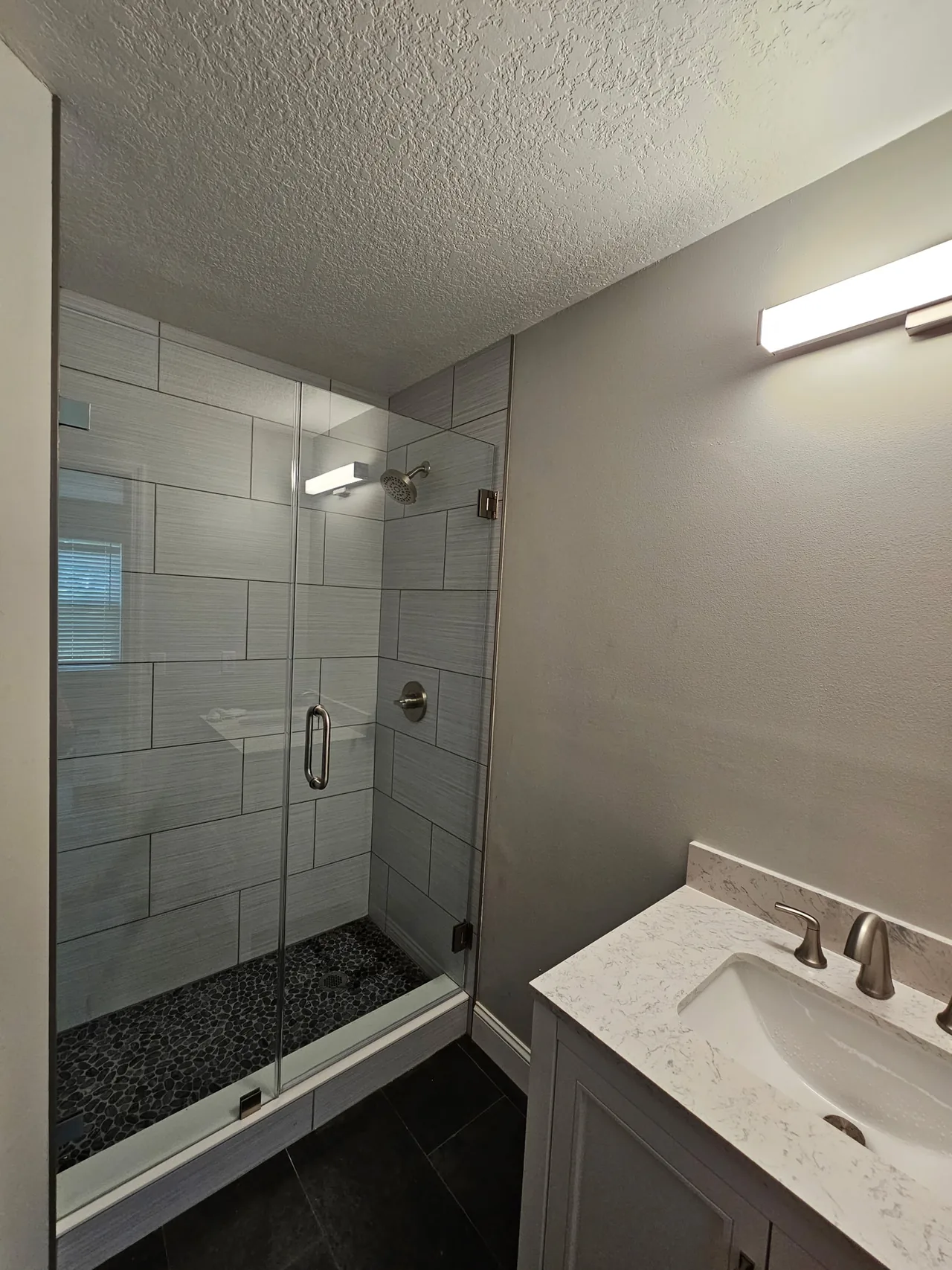
What we tile
- Showers and tub surrounds. Walk-in showers, tub-to-shower conversions, curbless showers, niches and benches. Waterproofed with GoBoard or Schluter KERDI and flood-tested before tile goes on.
- Bathroom floors. Porcelain, hex and penny mosaics, large-format, set over an uncoupling membrane when the slab calls for it.
- Kitchen, laundry and living-area floors. Wood-look plank tile and large-format porcelain, run through one room or the whole first floor.
- Backsplashes. Subway, mosaic, full-height slab-look porcelain behind the range.
- Repairs and regrouting. Cracked tiles, failed grout, a leaking shower that just needs the pan and walls redone.
Before and after: a hall bath, studs to finished
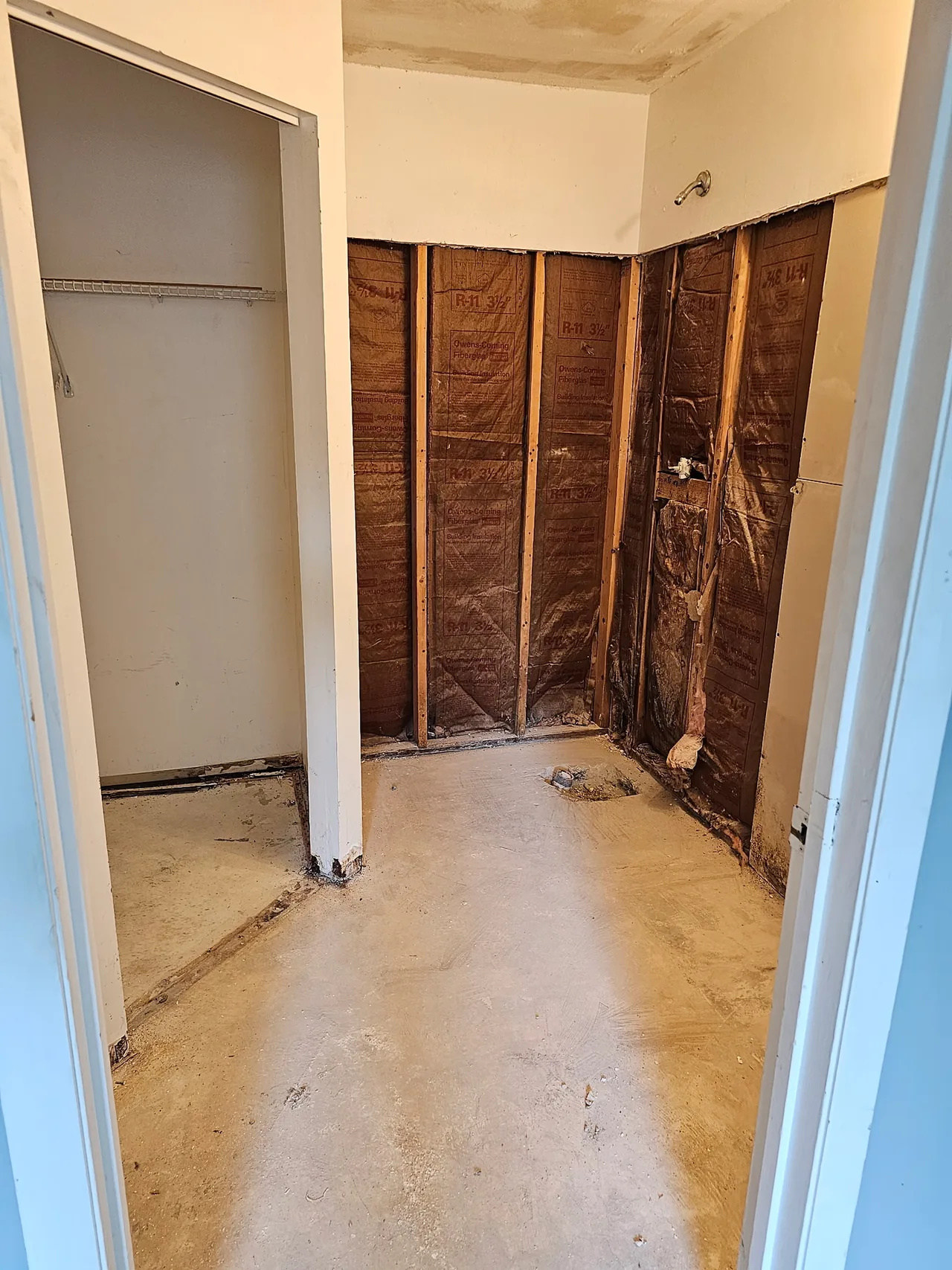
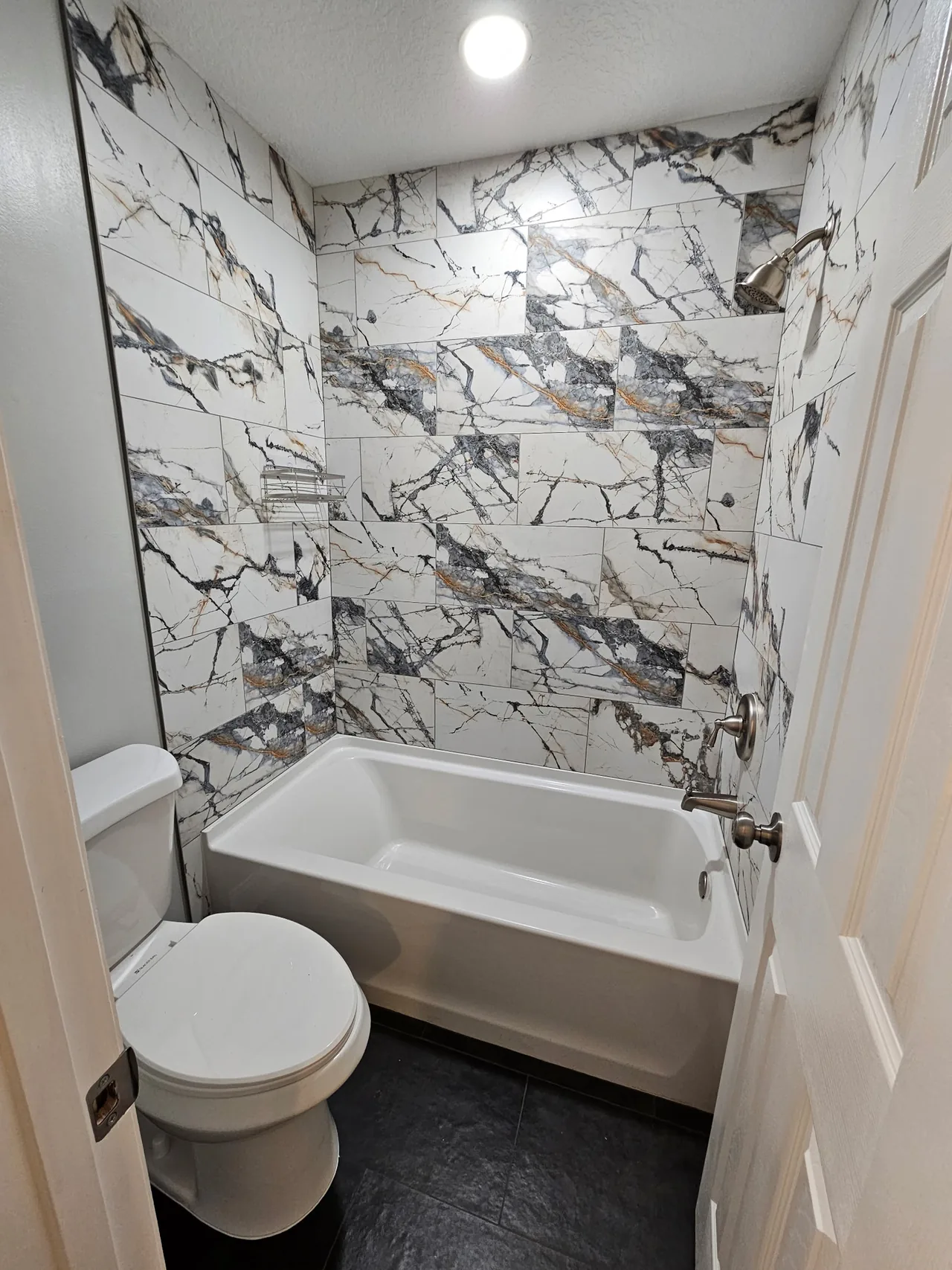
How we build a shower that doesn't leak
Tile and grout are not waterproof. Water gets through them, and the layer behind the tile is what keeps it out of the wall. On most showers we build the walls with GoBoard, a foam panel that is the substrate and the waterproofing in one, with every seam and screw head sealed. On curbless showers, steam showers and layouts with a lot of niches we use Schluter KERDI. Either way the pan is sloped to the drain, the drain is bonded to the membrane, and we flood-test before a single tile goes on.
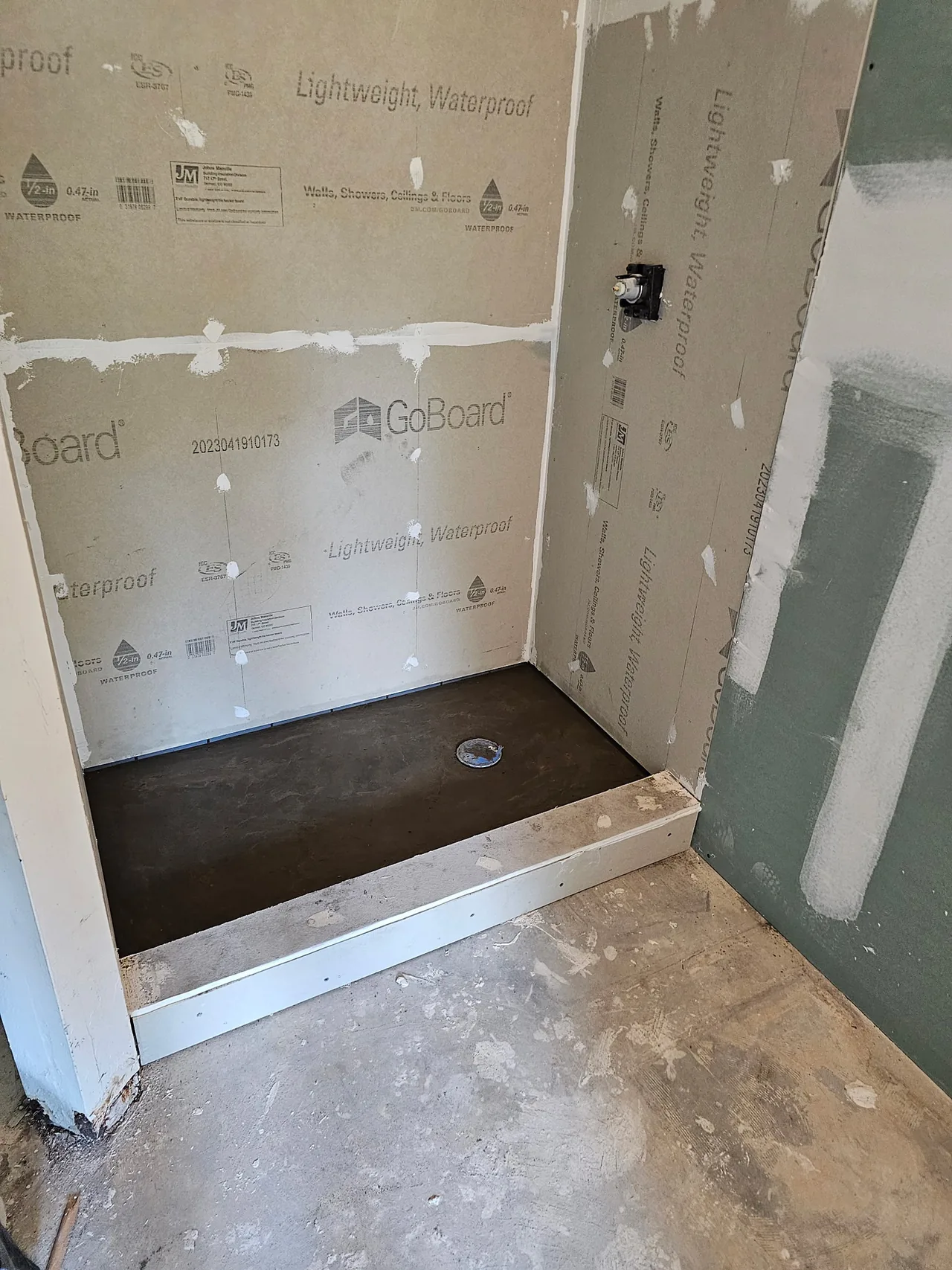
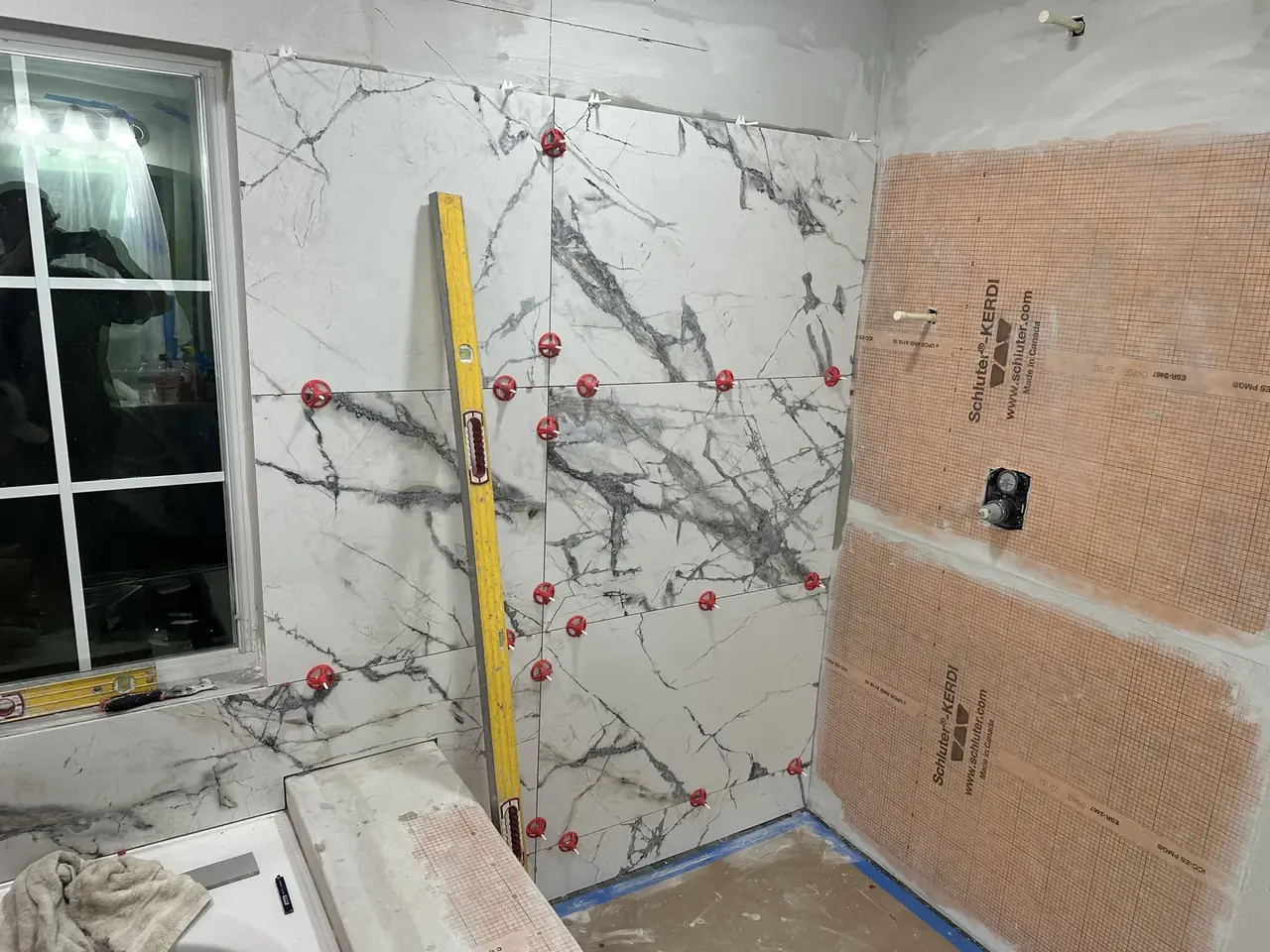
The long version, with the tradeoffs between the three systems, is in GoBoard vs KERDI vs cement board.
Floors that stay flat
Almost every house around here sits on a concrete slab, and slabs crack and move a little over the years. A tile bonded straight to a moving slab cracks with it. So where the slab calls for it, an uncoupling membrane goes down first. We check the floor for flatness before we start and fix the low spots, lay the whole room out before we set anything so you don't get a sliver at the doorway, and set large-format and plank tile with a leveling system so no edge sits higher than its neighbor.
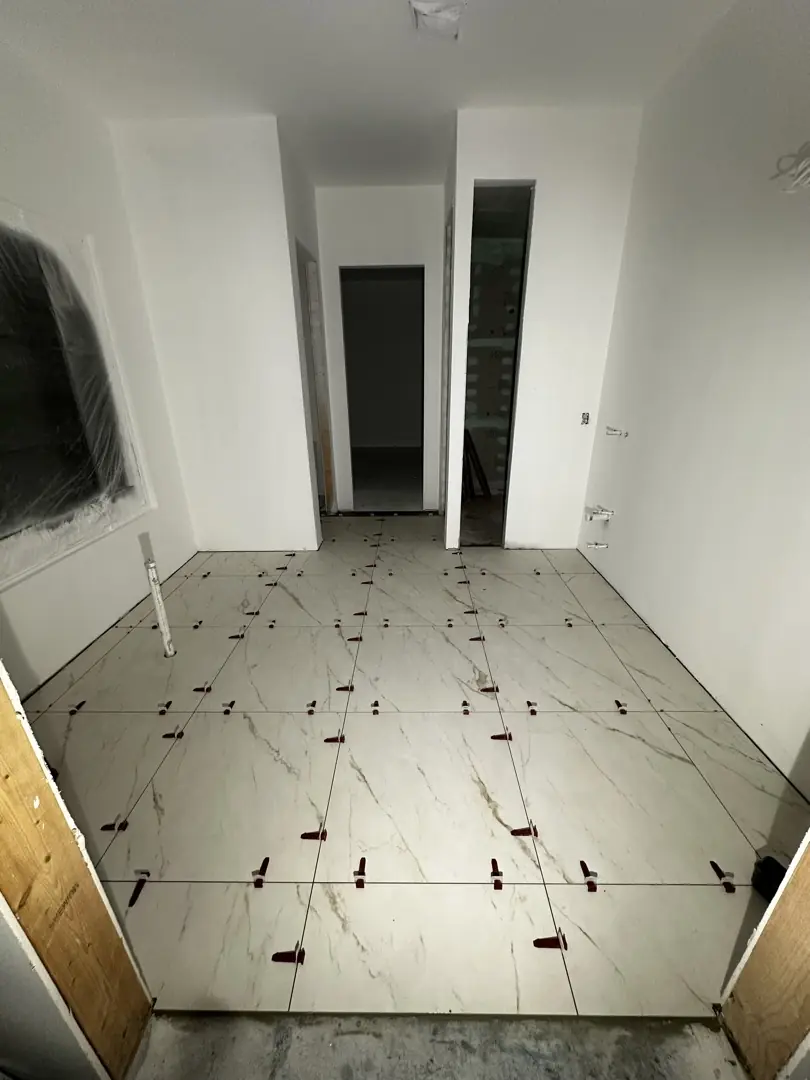
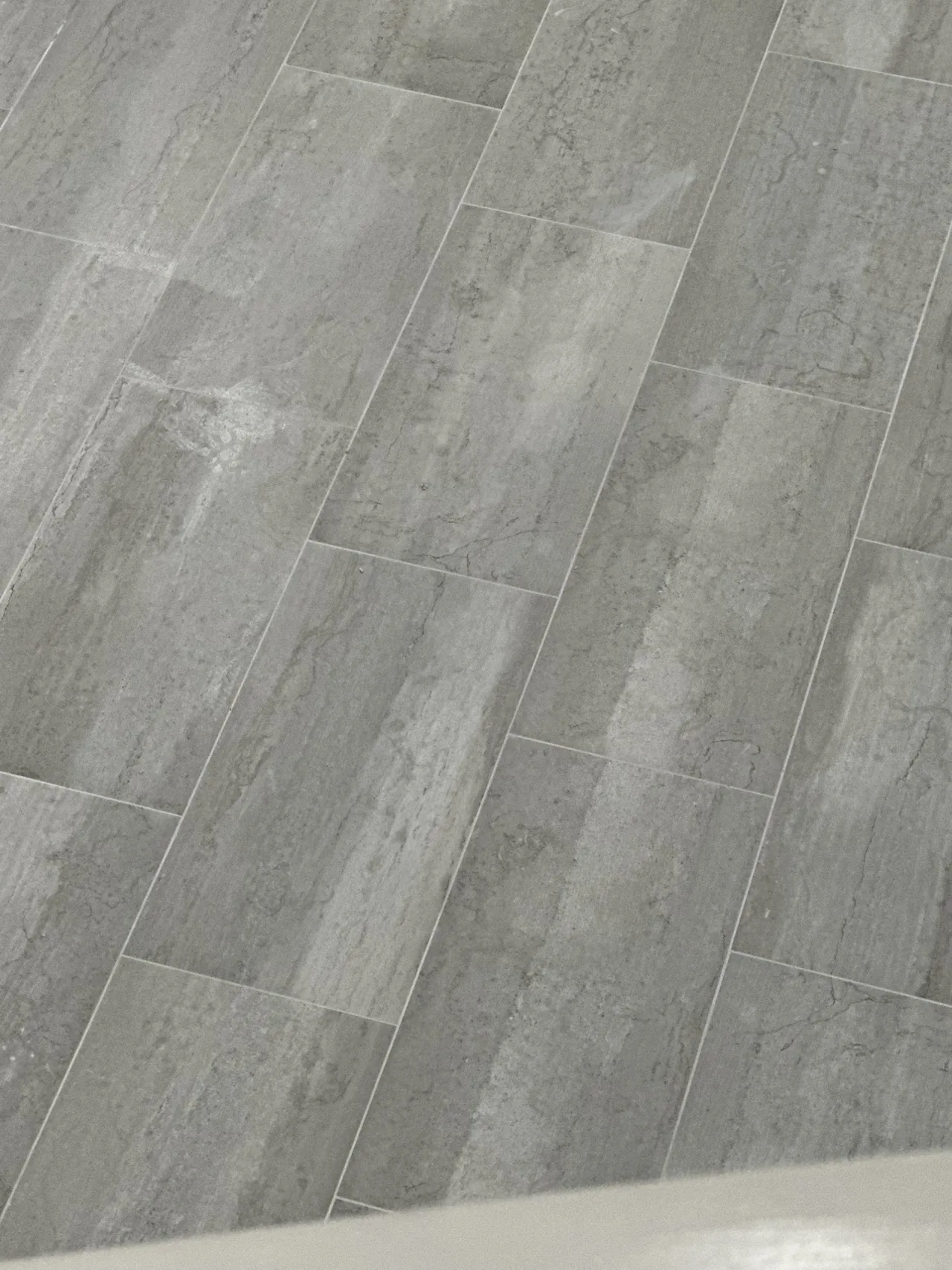
Tile work in Sanford, Lake Mary, Oviedo and Winter Park
Most of our tile jobs are in Seminole County, and the houses have a lot in common: 1990s and 2000s builds in Lake Mary and Oviedo with builder-grade tub surrounds that were set straight on the wall with nothing behind them, and older block homes in Sanford and Winter Park with original tile that's been patched a few times. The fix is the same either way: strip it to the studs or the slab, waterproof it properly, and tile it once. We pull the permit when plumbing moves, and we work around HOA rules on the rare occasion they apply indoors.
Questions people ask about tile
Can you retile just the shower and leave the rest of the bathroom?
Yes. A shower rebuild on its own is one of our most common jobs. We protect the vanity and floor, take the shower down to the studs, waterproof it and tile it. If the floor tile is sound, it stays.
Do you install large-format tile?
Yes, including 24 by 48 porcelain and plank tile. Large tile needs a flatter floor and a leveling system, which is why we check the slab first instead of finding out after.
Will you do a backsplash by itself?
Yes. A backsplash is usually a one- or two-day job. Send us a photo of the wall and the tile you're thinking of.
Why is my shower leaking when the tile looks fine?
Because tile and grout aren't waterproof. Water gets through and the layer behind the tile has failed, or was never there. On a builder-grade shower from the 90s or 2000s there's often nothing behind the tile but drywall. The fix is to rebuild the shower with a proper waterproofing system, not to regrout it.
How long does a shower rebuild take?
A tub-to-shower conversion usually takes about 10 days from demo to glass. A straight retile of an existing shower is shorter. You'll have the dates in writing before we start.
Can I buy my own tile?
Yes. Bring us what you've picked and we'll tell you if it suits the space and how much to order. If you'd rather, we'll help you choose.
Pricing
Every job is different, so we don't post prices. Call us or send us an inquiry, and we'll talk through options that fit your budget.